Events
IFAT Munich 2026: Working Within the Limits of Existing Wastewater Treatment Systems
May 18, 2026
5 Min Read
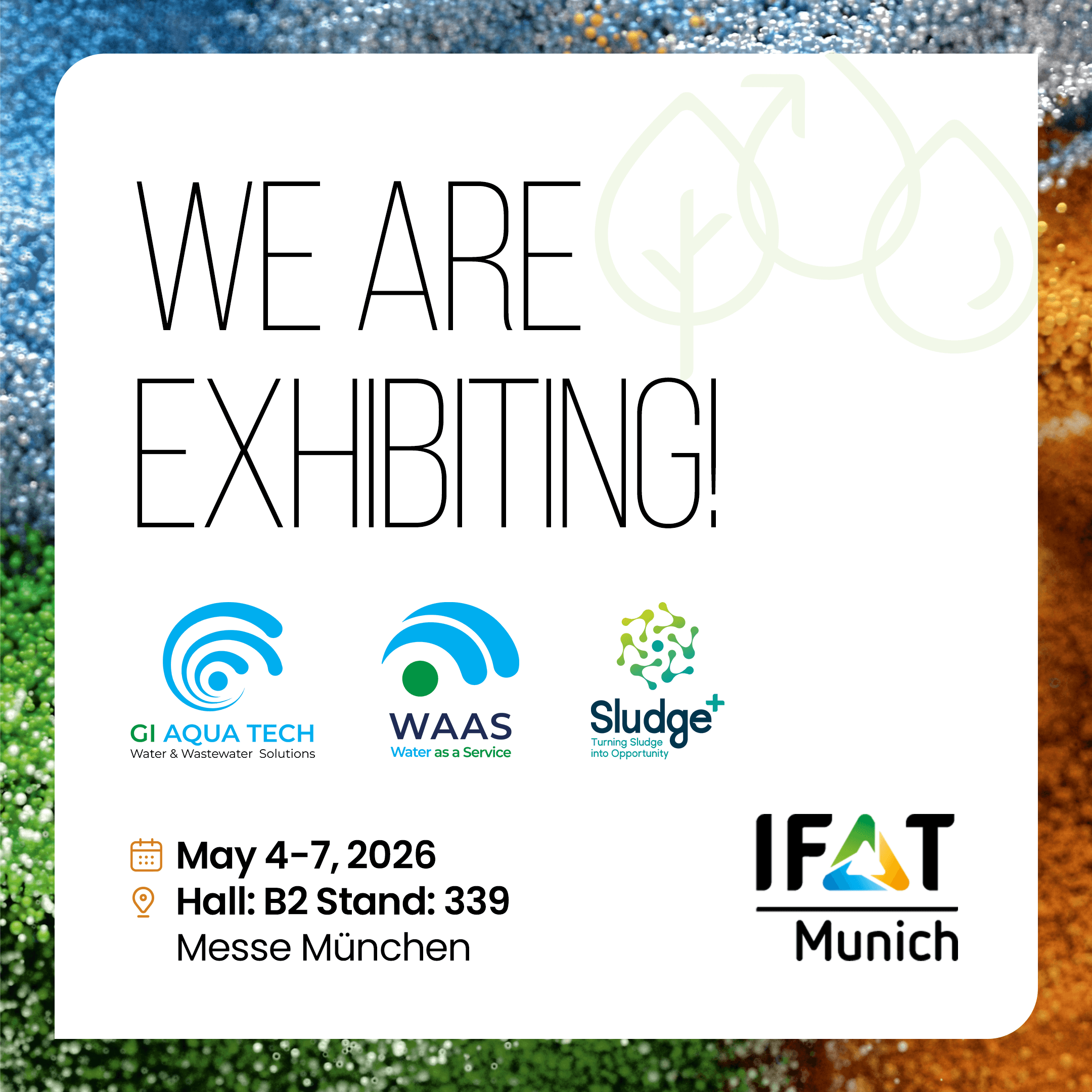
At IFAT Munich 2026, GI Aqua Tech, GI Water as a Service, and Sludge Plus presented an integrated approach focused on upgrading, adapting, and recovering within existing wastewater systems — without major expansion.
Existing Systems Under Increasing Pressure
Across conversations throughout the week at IFAT Munich 2026, one reality consistently emerged: existing wastewater treatment systems are under growing pressure to do more.
For many facilities, the challenge is no longer simply treatment capacity alone. Operators and decision-makers are increasingly managing:
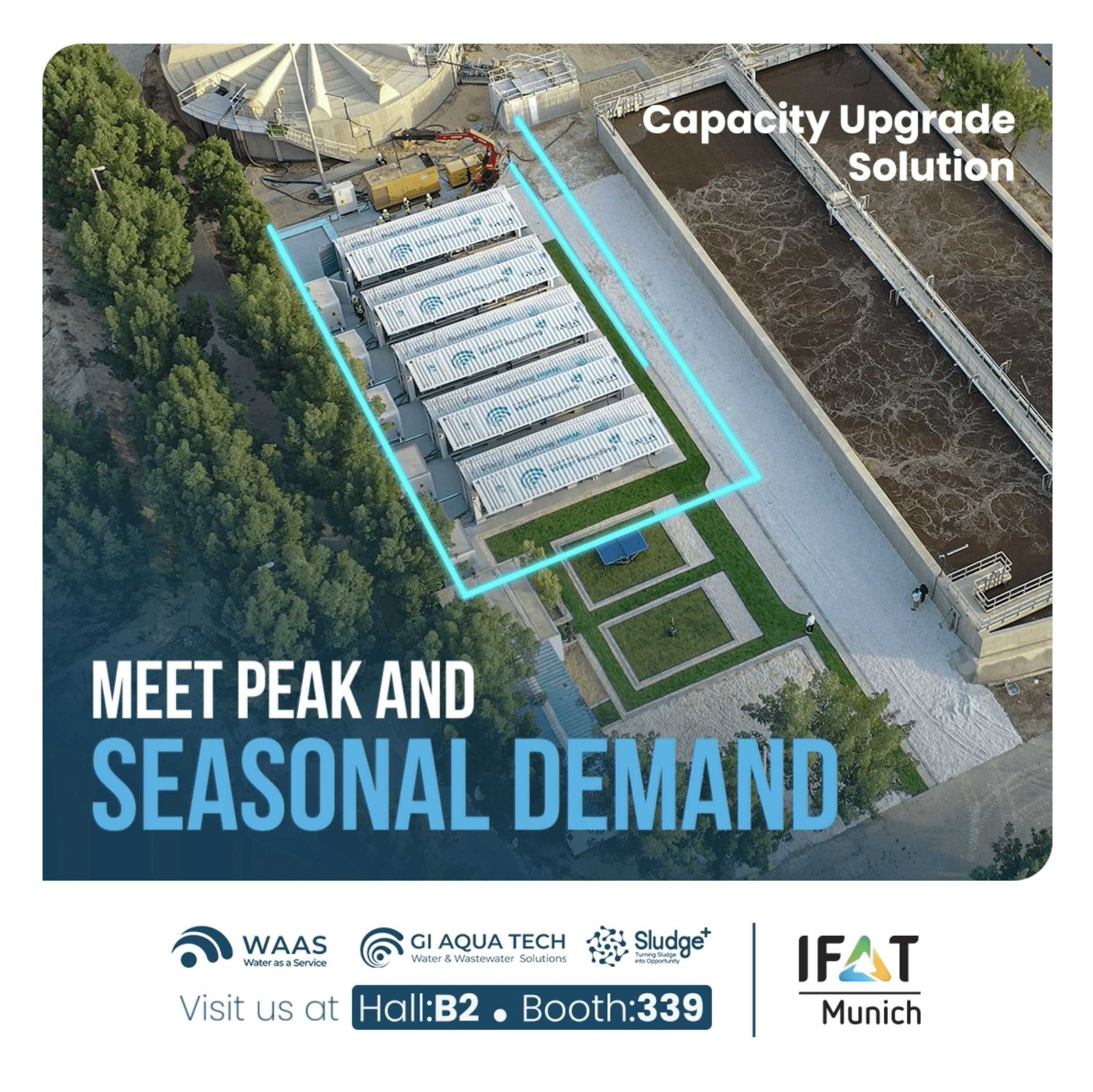
Rising and seasonal demand fluctuations
Limited available footprint within existing plants
Operational and energy pressures
The need to improve performance without interrupting ongoing operations
As these constraints continue to grow, the focus across the industry is gradually shifting toward how existing systems can adapt and perform more efficiently without large-scale reconstruction.
An Integrated Approach Across Three Brands
This was the context behind the presence of GI Aqua Tech, GI Water as a Service (WAAS), and Sludge Plus at IFAT Munich 2026.
Together, the three brands presented an integrated approach built around upgrading, adapting, and recovering within existing systems.
GI Aqua Tech focused on advanced non-biological wastewater treatment and capacity upgrade solutions designed to improve system performance within existing infrastructure.
GI Water as a Service (WAAS) introduced a flexible deployment model that enables wastewater solutions without the need for major upfront capital investment.
Sludge Plus presented a different perspective on sludge management by positioning sludge not simply as waste, but as a recoverable resource stream with additional value potential.
Beyond Expansion
One of the recurring themes throughout the event was the growing interest in approaches that work within what already exists.
Rather than relying entirely on new infrastructure development, more facilities are evaluating:
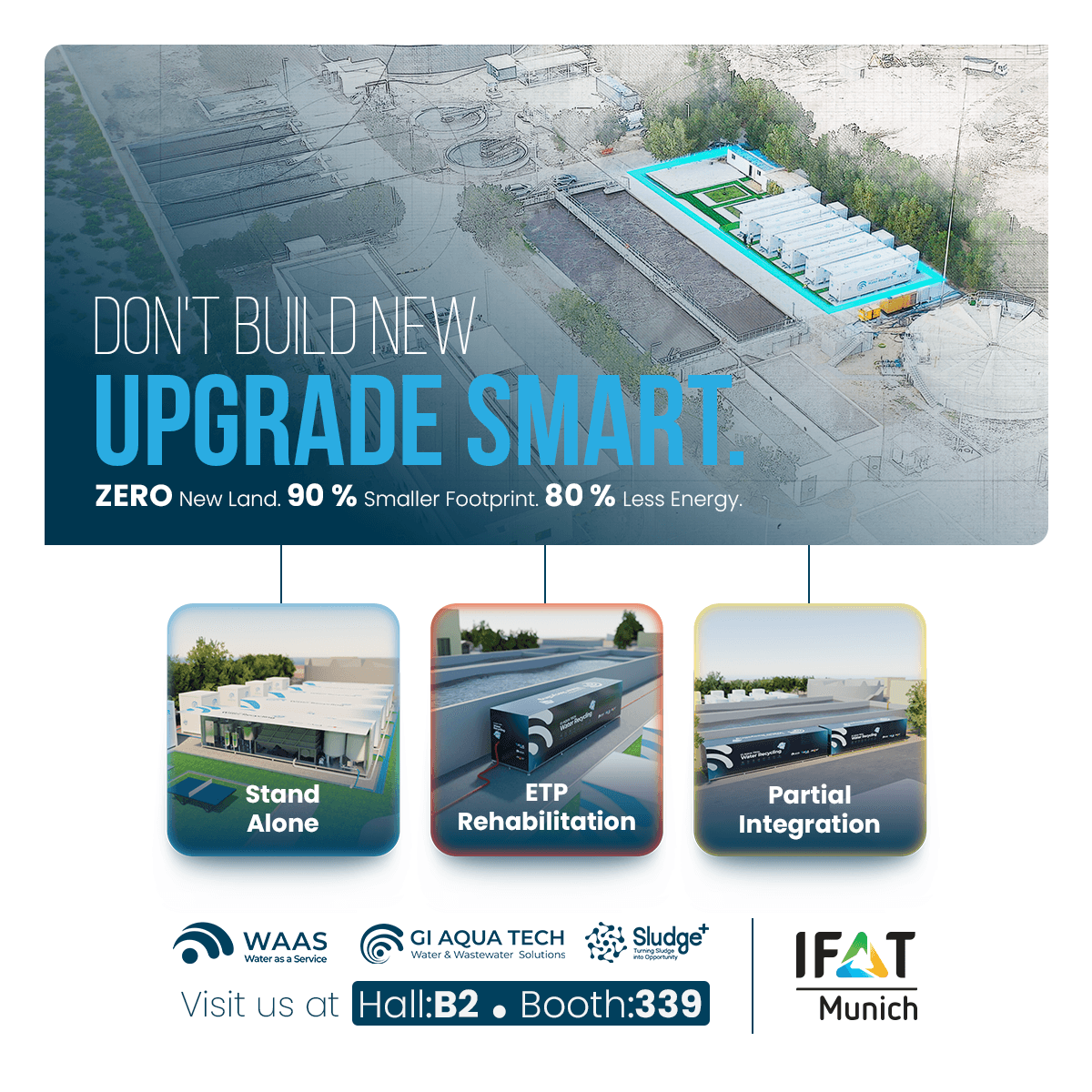
System rehabilitation
Partial integration approaches
Flexible deployment models
Resource recovery opportunities
Performance improvements within operational plants
This reflects a broader shift in wastewater management toward operational flexibility, smarter integration, and more adaptive infrastructure strategies.
A Week at IFAT Munich 2026
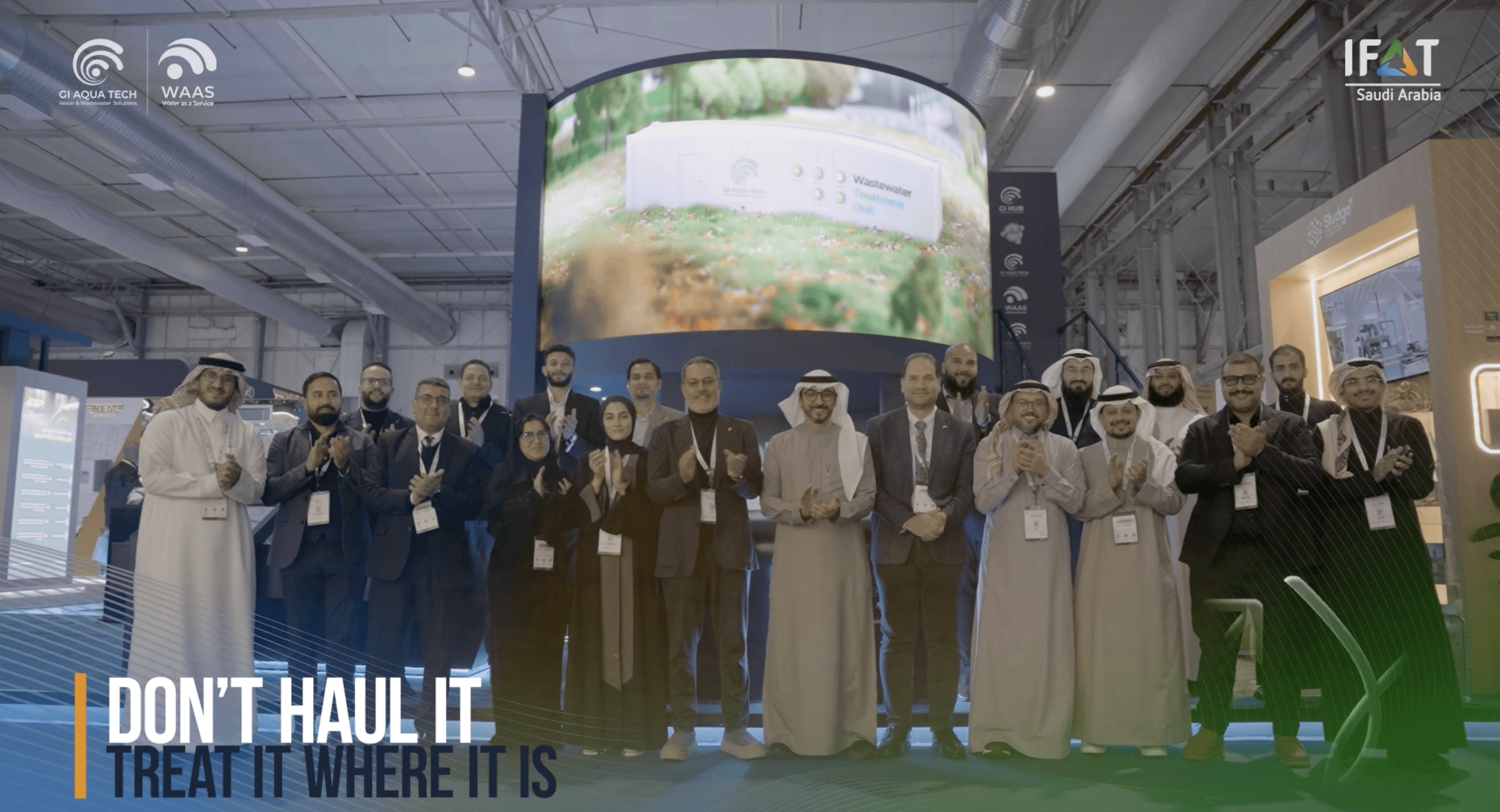
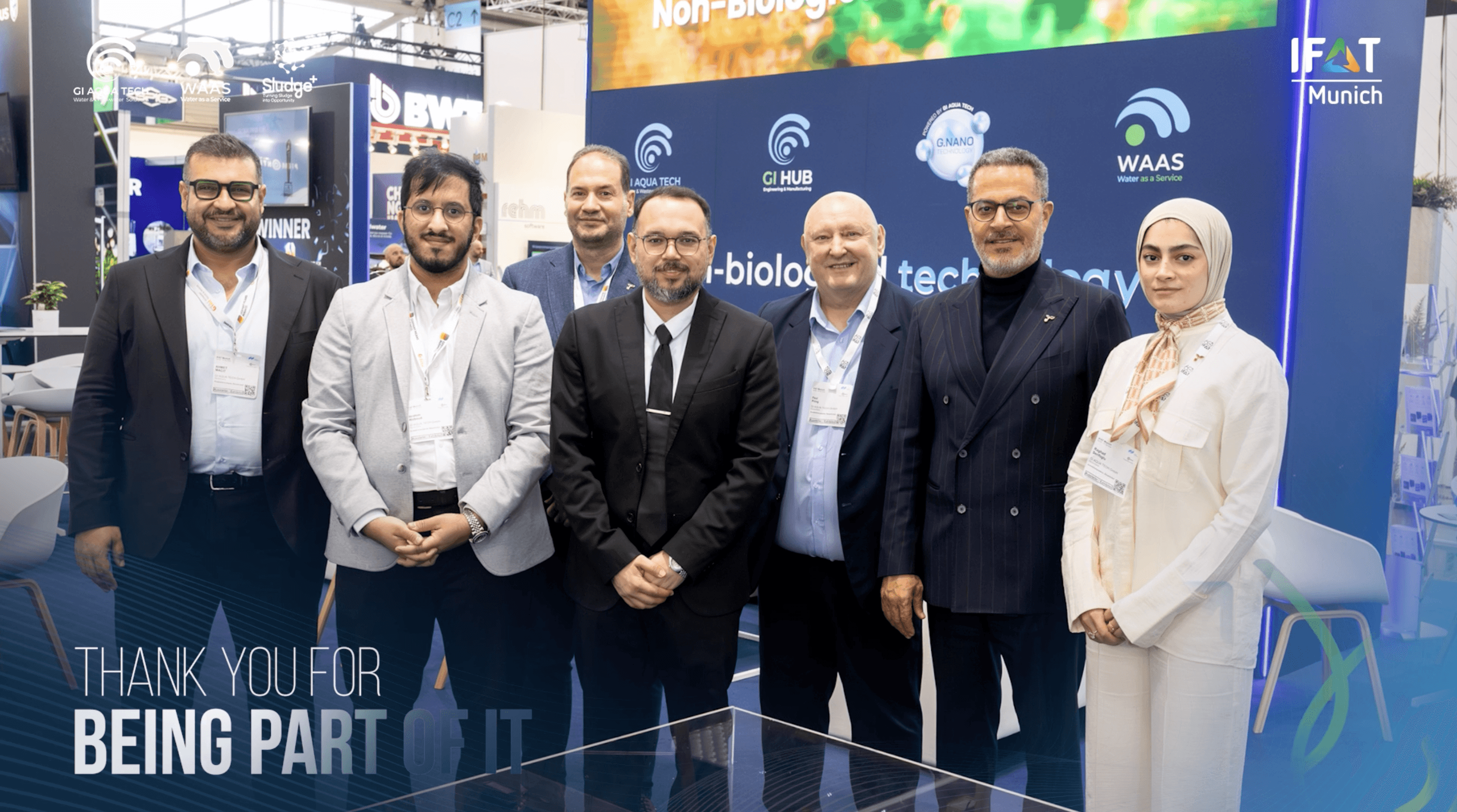
IFAT Munich 2026 provided an important opportunity to exchange perspectives with operators, engineers, industrial stakeholders, and decision-makers navigating these operational realities every day.
Throughout the week, the stand hosted ongoing discussions around wastewater treatment, system performance, sludge management, and how existing infrastructure can continue responding to increasing operational pressure.
We thank everyone who visited the stand, connected with the team, and took part throughout the event.
See you beyond IFAT Munich 2026.
Join our newsletter list
Sign up to get the most recent blog articles in your email every week.